

For many people, acne gets worse in the summer. For others, it improves. Warmer weather changes how the skin behaves, especially when it comes to oil production, sweating, and barrier function. When these systems fall out of balance, breakouts become more likely.
To understand why summer acne happens, we need to look at what heat does to the skin at a physiological and biological level.
How Heat Affects the Skin
When temperatures rise, several key skin functions change:
- Sebaceous (oil) gland activity
- Sweat production
- Skin barrier function
- Microbiome balance
- Inflammatory signaling
Individually, these changes are manageable. Together, they can create the perfect environment for acne to thrive.
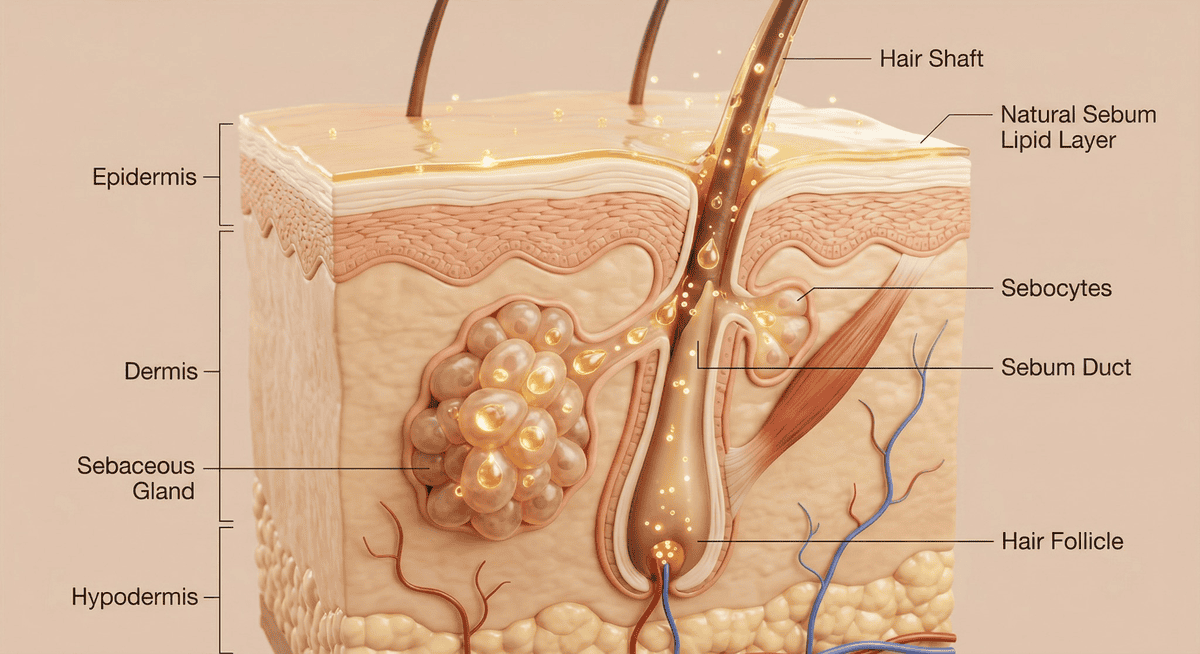
1. Heat Stimulates Sebaceous Glands
Sebum is produced by sebaceous glands under hormonal control, particularly androgens, with testosterone playing a major role. These glands are temperature sensitive.
Research shows that:
- For every 1°C increase in skin temperature, sebum excretion can rise significantly.
As external temperatures increase, skin temperature rises, blood flow to the skin increases and metabolic activity inside skin cells is stimulated
Result: Oil-producing glands become more active.
In simple terms: heat tells your oil glands to work harder.
2. How Sebocytes React to Heat
(refer to diagram)
Sebocytes are the cells responsible for producing sebum.
Higher temperatures:
- Increase enzyme activity inside sebocytes. Consider enzymes as messaging systems instructing the skin to adapt to rising temperatures.
- Sebocytes enhance lipid (oil) synthesis pathways and
- Increase circulation, delivering more nutrients and hormonal signals to the glands
Result: More oil is produced and delivered more quickly to the skin’s surface.
3. Now Let’s Add Sweat
Sweating is the body’s natural cooling mechanism. As temperatures rise, sweat production increases, and when combined with excess oil, problems can begin.
Sweat itself does not cause acne, but it can:
- Cause swelling of keratinocytes (skin cells) causing narrowing of the follicles, making pores more prone to blockage
- Mix with sebum and dead skin cells
This combination can:
- Create micro-plugs inside follicles
- Increase comedone formation (blackheads and whiteheads)
Why this matters: Even “clean” sweat can worsen acne when it sits on the skin and mixes with oil and dead cells.
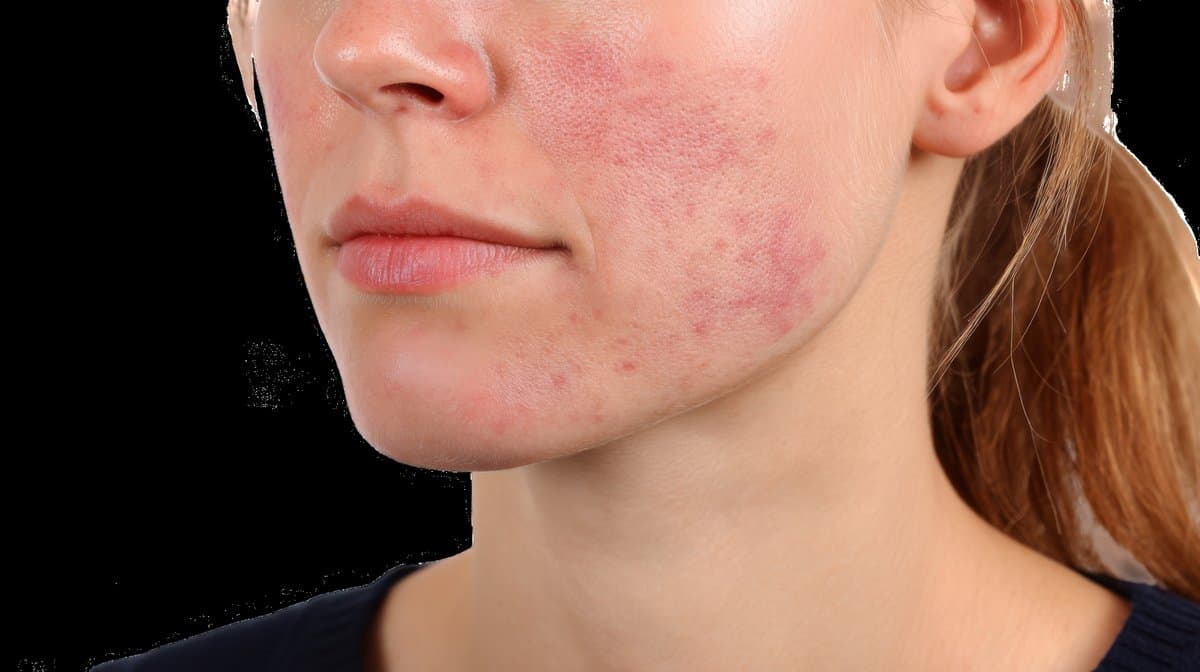
4. Skin Barrier Function and Heat
Higher summer temperatures, whether humid or dry, can disrupt the skin barrier if the skin is not cared for correctly.
Heat can:
- Increase transepidermal water loss
- Disrupt lipid organization in the stratum corneum and alter skin pH.
When the barrier becomes compromised, the skin attempts to protect itself by producing more oil. Inflammatory pathways also become more active, increasing sensitivity.
This creates a feedback loop:
Heat → Barrier stress → Compensatory sebum → Congestion
5. Microbiome Shifts and Inflammation
Cutibacterium acnes (formerly P. acnes) thrive in rich lipid environments and warm, occluded follicles.
When oil, sweat, and dead skin accumulate, bacterial overgrowth becomes more likely. This triggers an inflammatory cascade, leading to:
- Papules, Pustules and other inflammatory breakouts
This inflammation, not bacteria alone, is what ultimately drives acne lesions.
Other Factors That Influence Summer Acne
Genetics
Some individuals naturally produce more sebum. While high oil production alone does not guarantee acne, it can become an issue when combined with acne-prone genetics and androgen sensitivity.
Living in a Humid Climate (such as Canada)
Humidity prevents sweat from evaporating efficiently, leading to:
- Increased follicular swelling
- More occlusion under makeup or sunscreen
- Greater bacterial growth
In individuals with androgen-sensitive sebaceous glands, this environment significantly increases the risk of congestion and breakouts.
Living in a Dry, Hot Climate
Dry desert climates present a different challenge:
- Rapid evaporation of moisture leads to increased transepidermal water loss. Causing Barrier stress and dehydration

In response, the skin compensates by:
- Producing more oil that is possibly a thicker, more waxy sebum and barrier micro-cracking may also occur.
Outcome: Closed comedones, dehydration lines, and reactive acne.
Supplementing with Omega-3 fatty acids can help improve oil quality and reduce inflammation.
Why Do Some People Get Summer Acne
While Others Improve?
Some individuals experience winter acne, especially women. This is often linked to barrier impairment and dehydration rather than excess oil alone.
Contributing factors include:
- Cold, dry outdoor air
- Indoor heating
- Reduced barrier function
Research suggests low vitamin D levels, common in Canadian winters due to reduced sunlight, may also play a role. Hormones still contribute year-round, but winter habits can amplify acne:
- Less sunlight → higher stress levels
- Dietary changes (more sugar and comfort foods)
- Disrupted routines and reduced activity
This leads to what’s often called the “winter acne paradox”:
- Skin feels dry and flaky
- But is still oily and congested underneath
That combination makes breakouts more likely. At the same time, your skin barrier gets weaker in winter. That can cause irritation and inflammation, making pores more prone to clogging and acne worse than usual.
Why Winter Acne Often Improves in Summer
For these individuals, summer brings relief:
- Increased humidity reduces water loss and improves barrier function
- Less compensatory oil production
- UV exposure has a mild, temporary antibacterial effect
- More sunlight improves mood and lowers stress
More sun → lower stress → lower cortisol → less androgen-driven oil production
Summer Skincare for Acne-Prone Skin
The goal of summer acne care is to:
- Reduce occlusion
- Control oil production
- Prevent follicular swelling
- Support the skin barrier
For Humid Summer Climates
Rule of thumb: lighter, breathable, and fast-absorbing.
- Switch from creams to lotions or emulsions
- Use non-occlusive humectants (glycerin, panthenol, beta glucans)
- Incorporate mild exfoliation (low-dose salicylic acid 0.5–2%)
- Choose fluid, lightweight sunscreen textures
- Rinse sweat off the skin promptly, especially after workouts
For Dry Heat
Goal: protect the barrier and prevent compensatory oil production.
- Increase barrier lipids (ceramides and fatty acids)
- Use lightweight occlusive products
- Maintain hydration with humectants plus lipid support
- Avoid over-exfoliation, dry heat already weakens the barrier
Key Takeaway
Summer acne is not just about heat. It is about how oil production, sweat, barrier function, and bacteria interact. Once you understand these mechanisms, summer breakouts become predictable and manageable with the right skincare strategy.
Product Suggestions